
The hidden cost of owning a complex home
April 17, 2026
There's a quiet assumption most homeowners carry. If nothing is obviously broken, everything is fine.
For a typical house, that might hold up for a while. But for a complex property—a second home, a custom build with layered systems—that assumption is where the real cost begins. Because the economics of ownership are not driven by the next repair. They are driven by what happens when small issues go unseen, untracked, or uncoordinated.
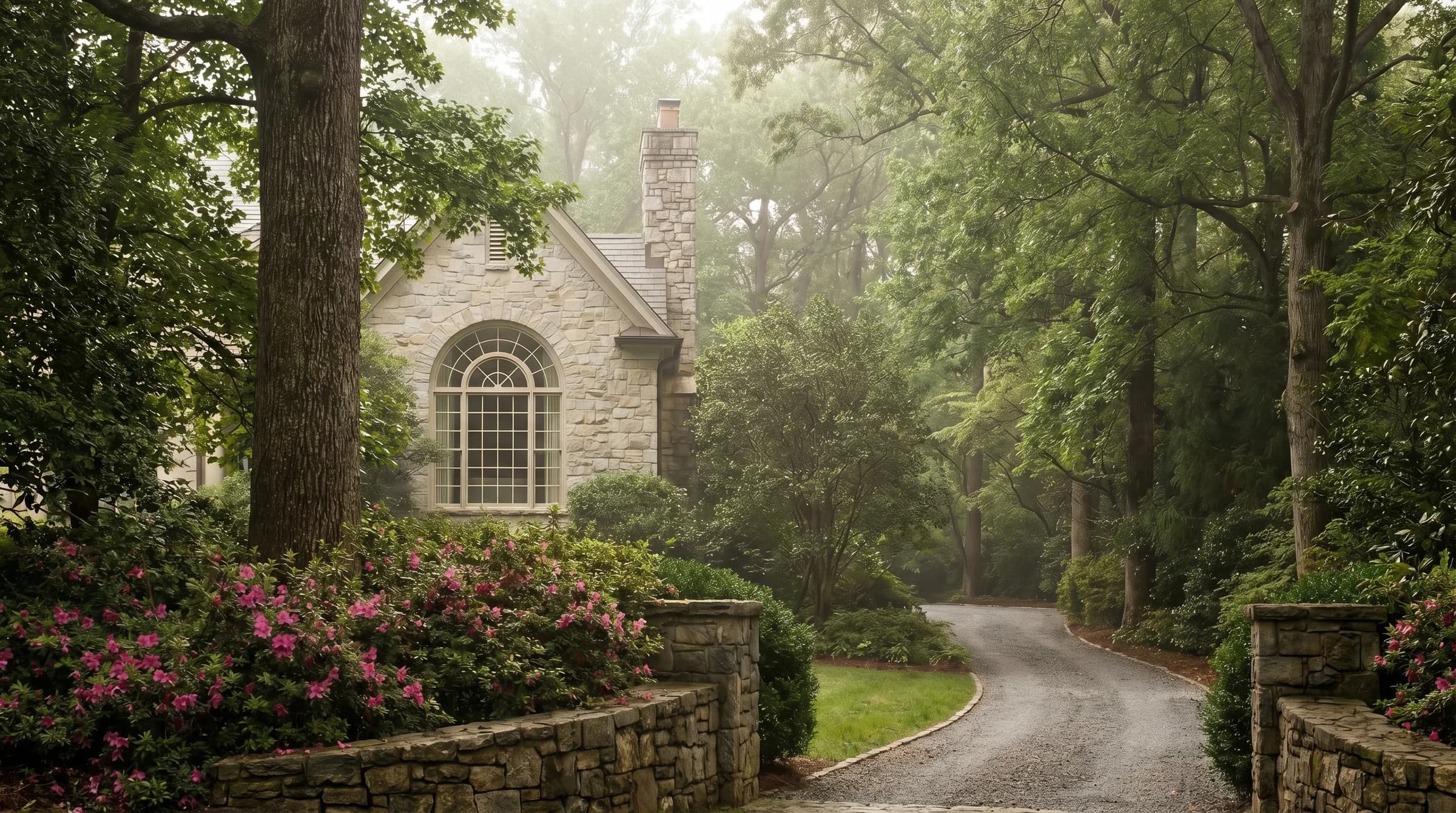
Homes don't fail all at once. They drift.
Across the U.S., over a third of owner-occupied homes have at least one repair need at any given time, with average costs in the thousands even before anything "major" happens. That is not catastrophic failure. That is normal condition drift. A small leak. A system running out of tolerance. A maintenance item pushed a little too far.
Individually, none of these are alarming. But they do not stay isolated. They compound. What starts as a routine repair can become a larger event simply because it was not caught early, or because no one was actively watching the property as a whole system.
The real risk isn't repair. It's escalation.
Insurance data reinforces this in a way that is hard to ignore. Roughly 1 in 20 homes files a claim each year, and water damage alone averages over $15,000 per event. But those numbers do not tell the full story. What matters is how often those events start as something small—a slow leak, a clogged drain line, a minor roof detail that went unaddressed.
The difference between a $1,500 repair and a five-figure loss is often just time and visibility.
Remote ownership changes the equation entirely.
If you own more than one property, the risk profile shifts. Not because the home is built differently, but because it is observed differently. There are over four million seasonal or occasional-use homes in the U.S. That means millions of properties spend long periods without anyone present to notice when something starts to go wrong.
In that environment, time-to-detection becomes the most important variable. A problem that would be minor in a primary residence can quietly expand in a second home. By the time it is discovered, the scope has changed. That is not bad luck. That is a predictable outcome of low visibility.
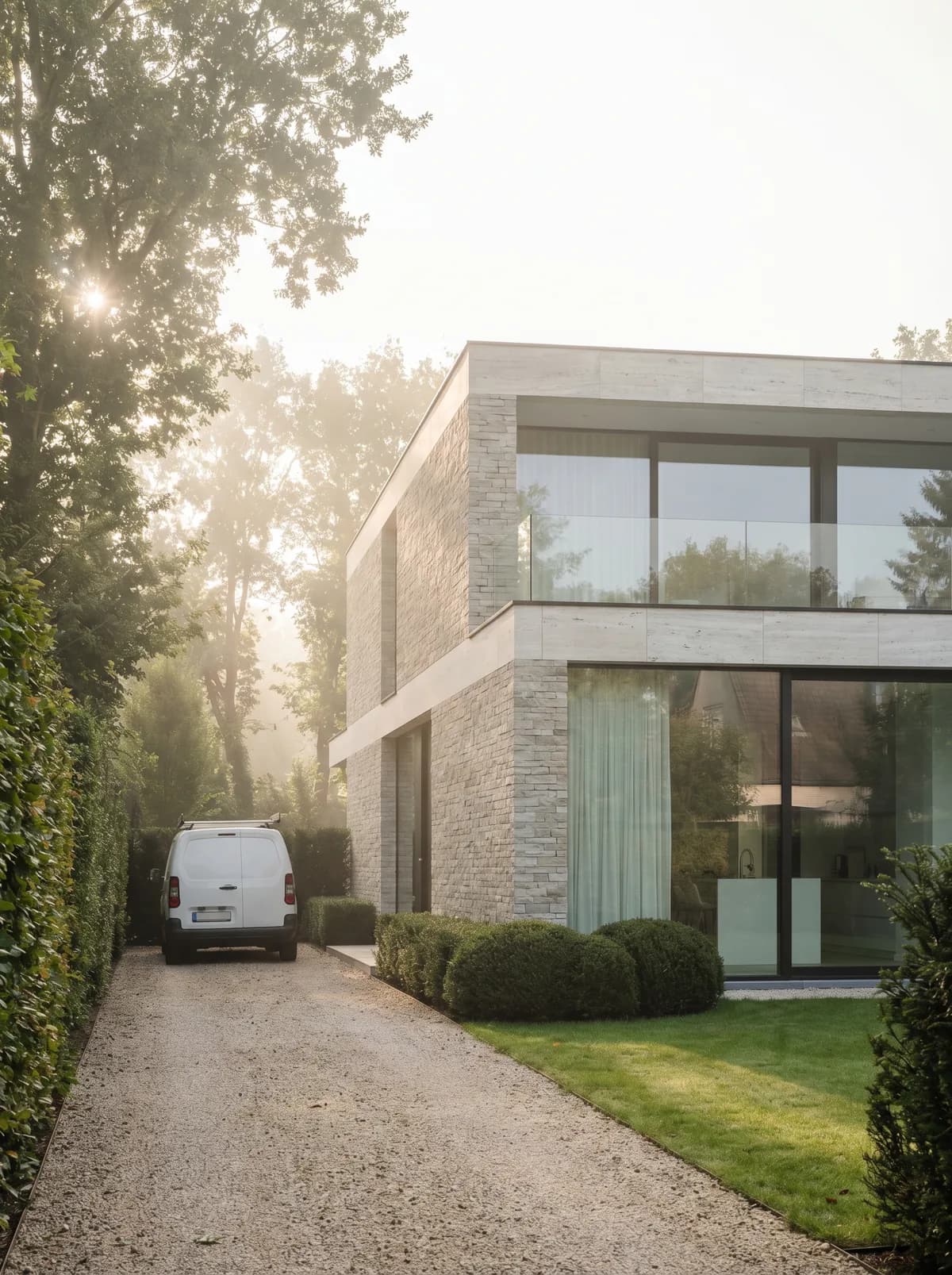
Reactive maintenance feels cheaper, but it isn't.
Most properties are managed reactively by default. Something breaks, someone gets called, it gets fixed. It feels efficient. It feels practical. But when you zoom out, it is one of the most expensive ways to operate a complex asset.
Facilities research shows a clear pattern. Reactive maintenance consistently costs more than preventive or system-based approaches, due to overtime labor, secondary damage, and shortened system lifespan. Most properties never escape that cycle—not because it is better, but because there is no structure in place to replace it.
Complexity changes what “maintenance” actually means.
A complex property is not just bigger. It is layered. Multiple HVAC zones. Lighting control systems. Irrigation, drainage, and exterior infrastructure. Security, access, and automation. Specialty finishes and materials. Each of these systems has its own service cycle, vendor relationships, and failure patterns—but they do not operate independently. They interact.
When no one is coordinating those interactions, maintenance becomes fragmented. Vendors operate in isolation. Information gets lost. Decisions get repeated. Over time, the cost is not just financial. It is operational.
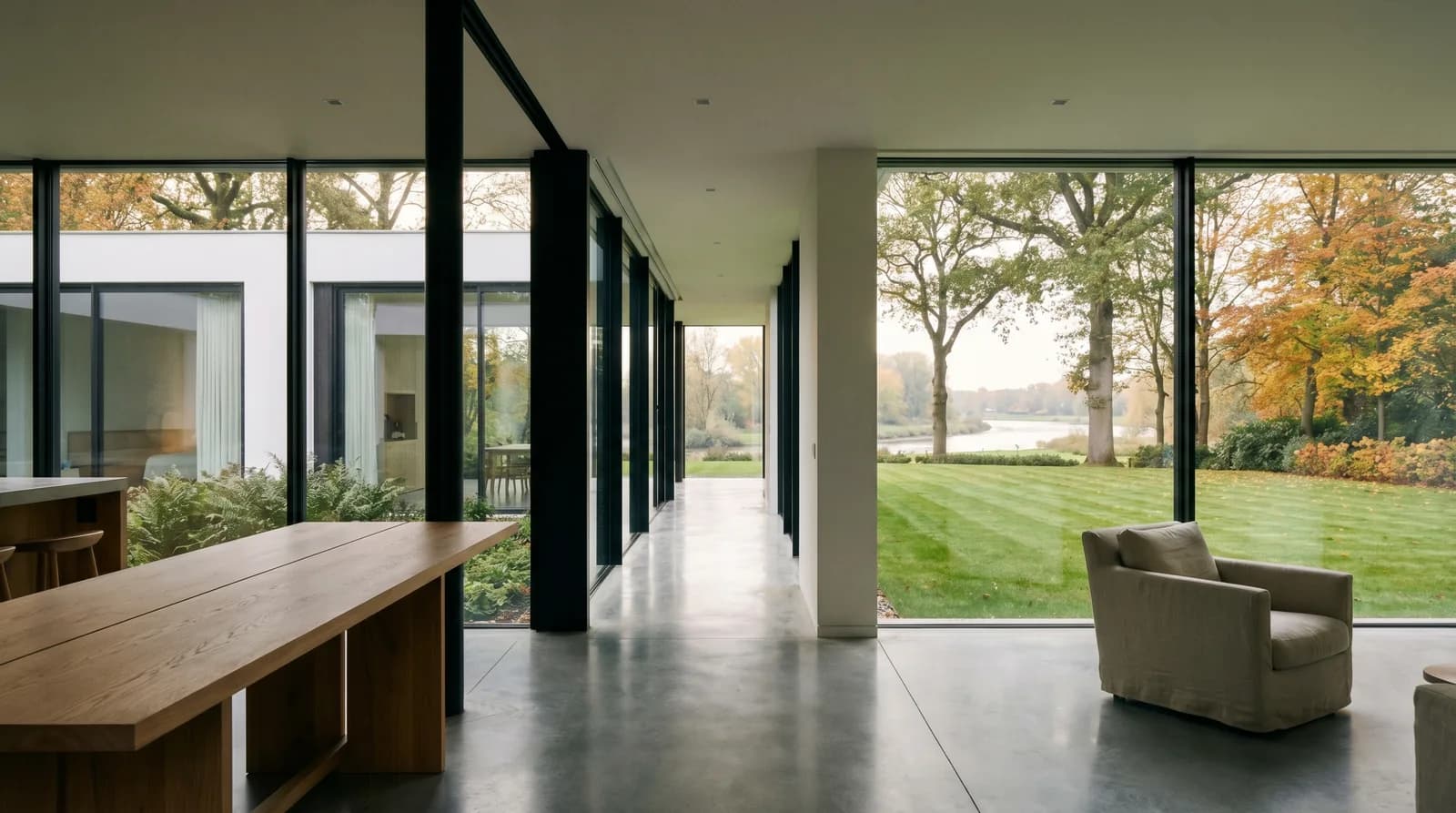
Most owners aren't under-budgeting. They're under-structuring.
Data shows many homeowners spend less than 1% of their home's value annually on upkeep, even as systems age and replacement cycles approach. Major components—HVAC, roofing, infrastructure—have defined lifespans that do not align with that level of spending. Costs do not disappear. They accumulate in the background until multiple systems reach a breaking point at the same time. That is when ownership suddenly feels expensive—not because it was unpredictable, but because it was not being managed as a system.
The shift: from maintenance to stewardship.
The homes that perform well over time are not the ones that avoid issues. They are the ones that maintain continuity—of information, of oversight, of decision-making. In other words, they are managed more like assets than like houses.
This is exactly how facilities organizations approach complex buildings. They do not rely on memory or individual vendors. They build structured inventories, track condition over time, and plan maintenance based on system importance and failure risk. Not because it is excessive, but because it is economically efficient.
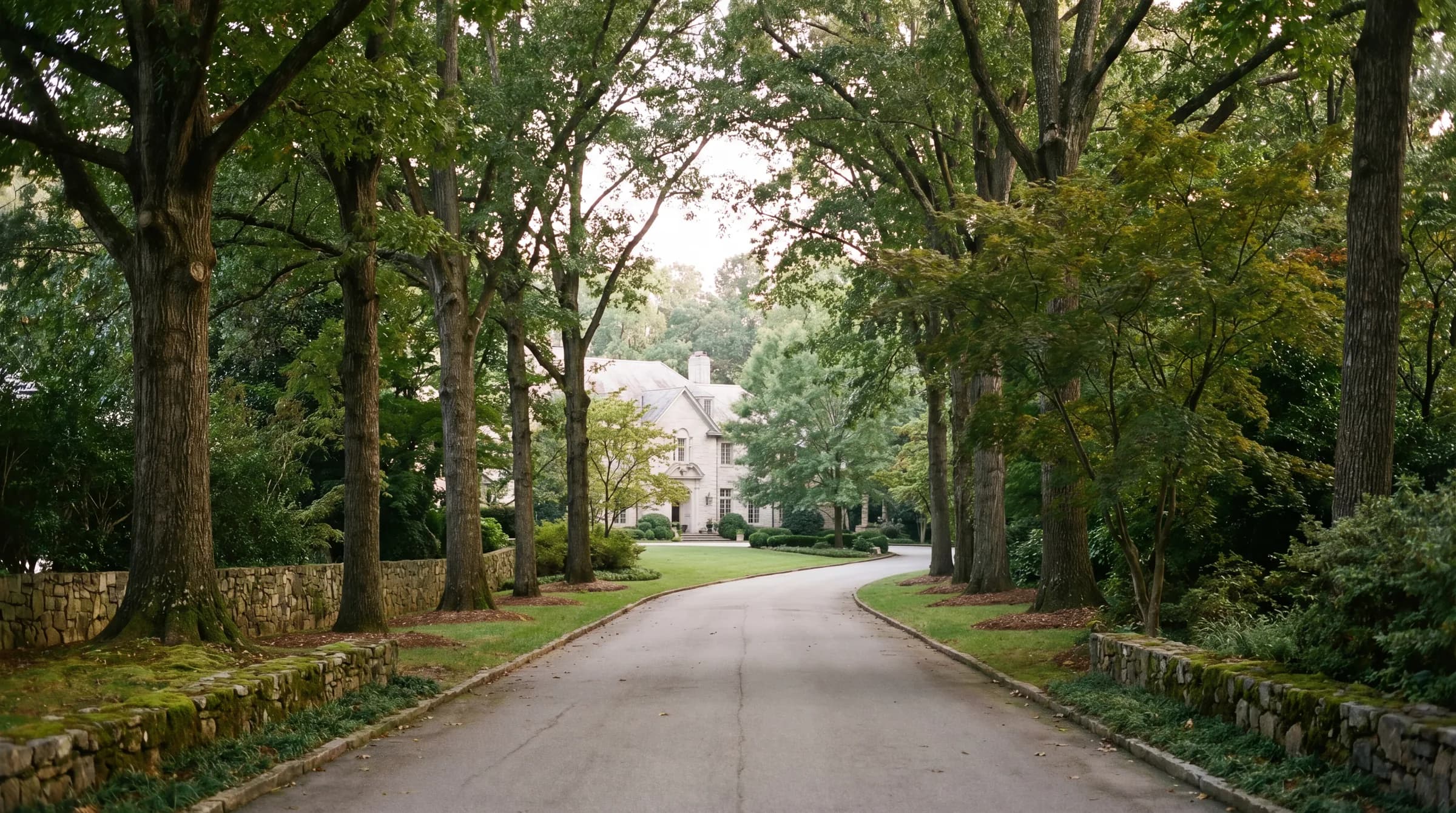
What the data actually supports.
When you connect the research across insurance, housing, and facilities management, a consistent conclusion emerges. The cost of ownership is not driven by individual repairs. It is driven by how quickly issues are detected, how consistently systems are maintained, how well information is retained and reused, and how coordinated the work across vendors actually is.
And most importantly, whether the property is managed as a system or as a series of isolated events. That is why proactive, coordinated oversight consistently outperforms reactive approaches over time. Not because it eliminates cost, but because it reshapes when and how that cost occurs.
The most expensive thing about owning a complex home isn't what breaks. It's what goes unmanaged.